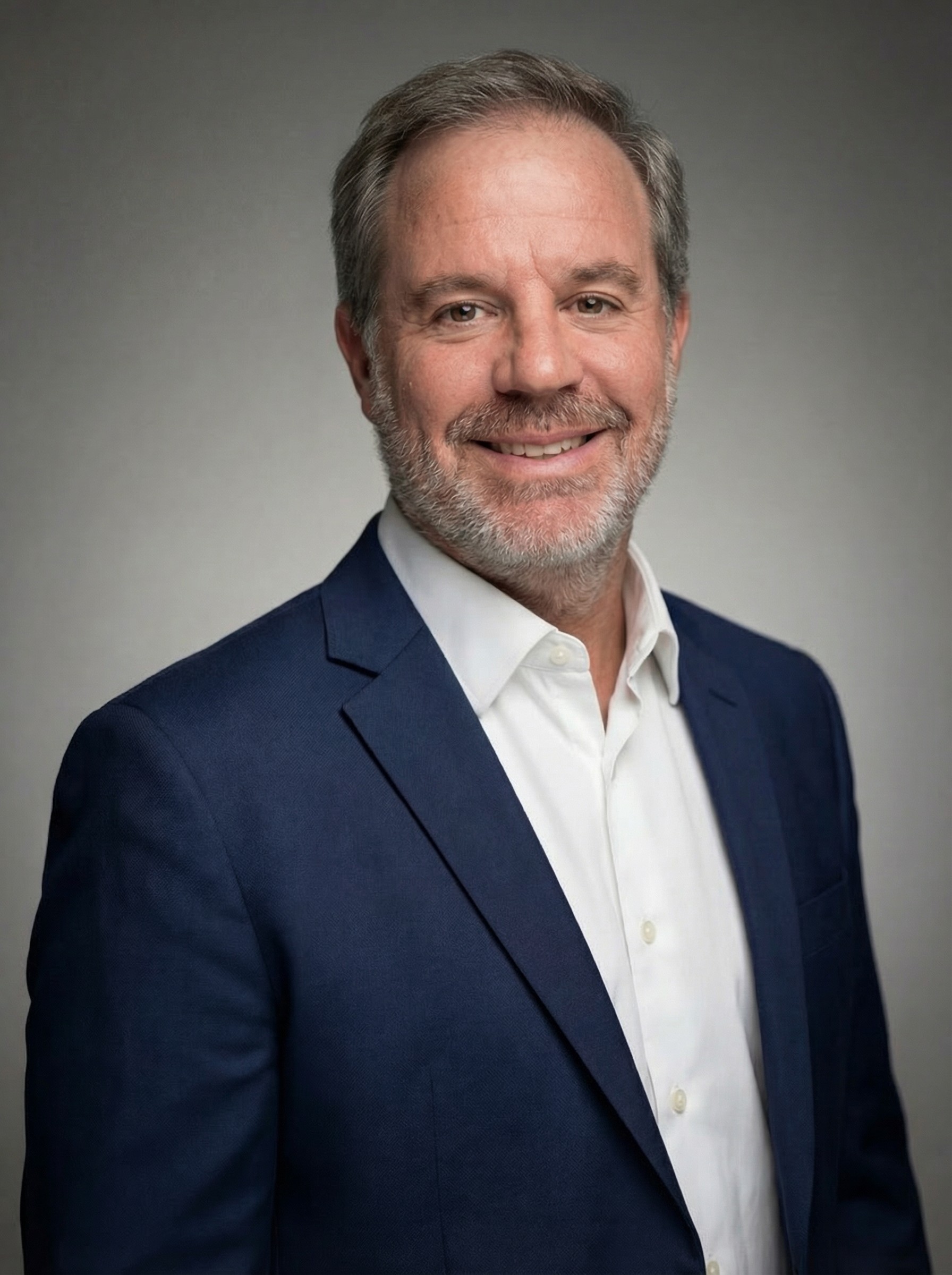
More than 10 years working with CEOs and executive teams in complex organizations across Latin America. All engagements are CEO-sponsored. The work has always been at the same level: where decisions are made and where execution breaks. Faculty, Conscious Business Center.
Más de 10 años trabajando con CEOs y equipos ejecutivos en organizaciones complejas de América Latina. Todos los trabajos son CEO-sponsored. El trabajo siempre estuvo en el mismo nivel: donde se toman las decisiones y donde se rompe la ejecución. Docente, Conscious Business Center.
After years working with executive teams in capital-intensive organizations, I noticed a pattern no one was naming: organizations with capable people, well-designed leadership programs, declared cultures of high standards — that couldn't sustain their own standards over time.
Después de años trabajando con equipos ejecutivos en organizaciones de capital intensivo, vi un patrón que nadie nombraba: organizaciones con personas capaces, programas de liderazgo bien diseñados, culturas declaradas de alta exigencia — que no lograban sostener sus propios estándares en el tiempo.
Every time I looked closely, the problem was the same. Not the people. Not the strategy. Not the culture. The problem was the architecture of the system they were operating in — ambiguous decision authority, informal commitments, consequences that were never activated. A structural condition, not a human one.
Cada vez que miraba de cerca, el problema era el mismo. No la gente. No la estrategia. No la cultura. El problema era la arquitectura del sistema donde operaban — autoridad de decisión ambigua, compromisos informales, consecuencias que nunca se activaban. Una condición estructural, no humana.
The problem was not the people. It was the architecture of the system they operated in.
That observation organized all my work. El problema no era la gente. Era la arquitectura del sistema donde operaban.
Esa observación organizó todo mi trabajo.
My current work is called
Mi trabajo actual se llama
A structural intervention framework for executive leadership systems. For CEOs and executive teams in capital-intensive organizations in Latin America.
Un framework de intervención estructural para sistemas de liderazgo ejecutivo. Para CEOs y equipos ejecutivos en organizaciones de capital intensivo en América Latina.
Explore Lead Architecture → Explorar Lead Architecture →This is how the problem shows up in practice.
Así se ve el problema en la práctica.
Standards are not set by what leaders say. They are set by what leaders enforce. The distance between these two is structural — and its consequences accumulate quietly.
Los estándares no los define lo que los líderes dicen. Los define lo que los líderes hacen respetar. La distancia entre ambos es estructural — y sus efectos se acumulan en silencio.
Read → Leer →When an organization consistently fails to execute, leadership reaches for a motivational explanation. In most cases, the diagnosis is wrong — and the misdiagnosis compounds the damage.
Cuando una organización falla en la ejecución de manera sistemática, el diagnóstico habitual es motivacional. En la mayoría de los casos, ese diagnóstico es incorrecto — y el error agrava el problema.
Read → Leer →Every organization runs two decision architectures simultaneously. One is designed. One emerges. The second governs with more force than the first — and in most organizations, it has never been examined.
Toda organización opera con dos arquitecturas de decisión al mismo tiempo. Una fue diseñada. La otra emergió. La segunda manda más — y casi nunca fue examinada.
Read → Leer →If you want to talk, reach out.
Si querés hablar, escribime.
Write to me → Escribime → or WhatsApp → o WhatsApp →